
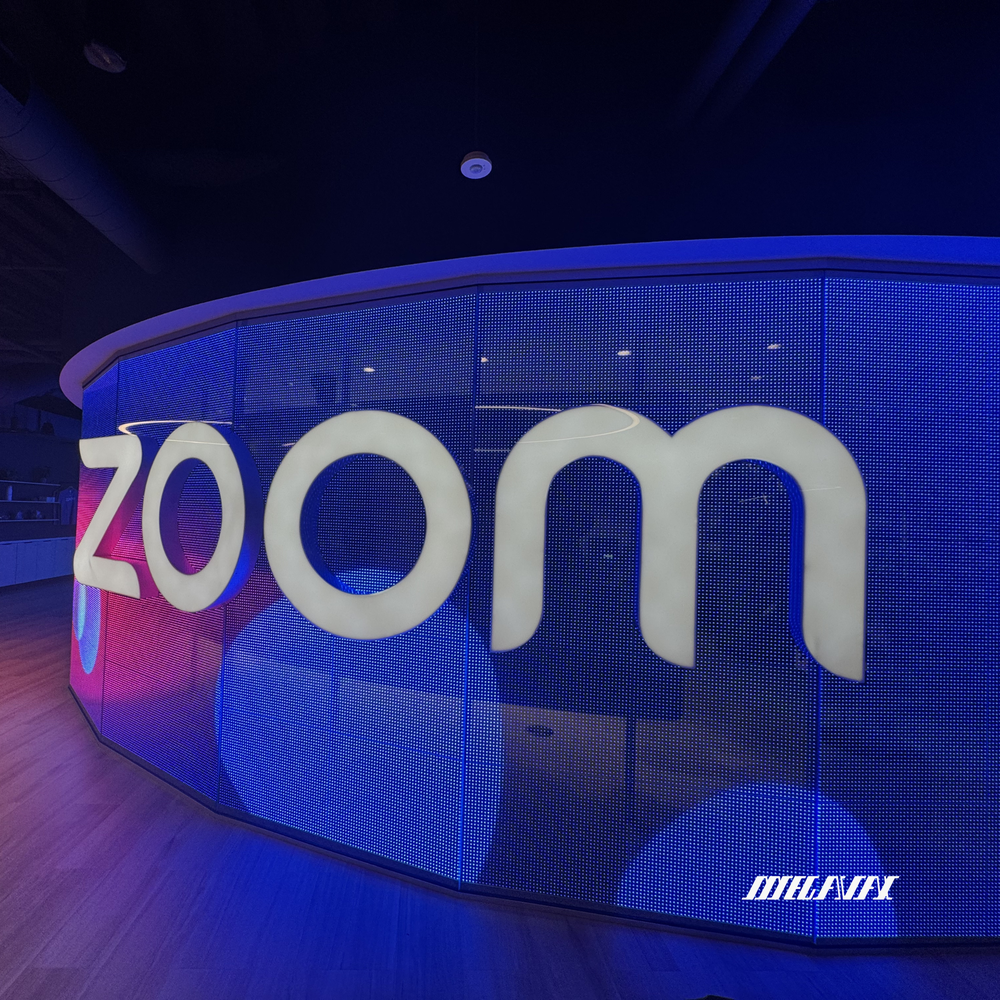
We were invited to Zoom’s U.S. headquarters, where we received a guided walkthrough of product presentations and live demos. We also had time for discussion that touched on differences between business environments in Japan and the U.S.
In this article, MEGAVAX shares three takeaways: how Zoom “delivers understanding” through experience, what Silicon Valley reveals about long-term relationships, and what we learned in Los Angeles from TOTO’s approach to creating memorable touchpoints.
A space designed to explain—before any explanation begins
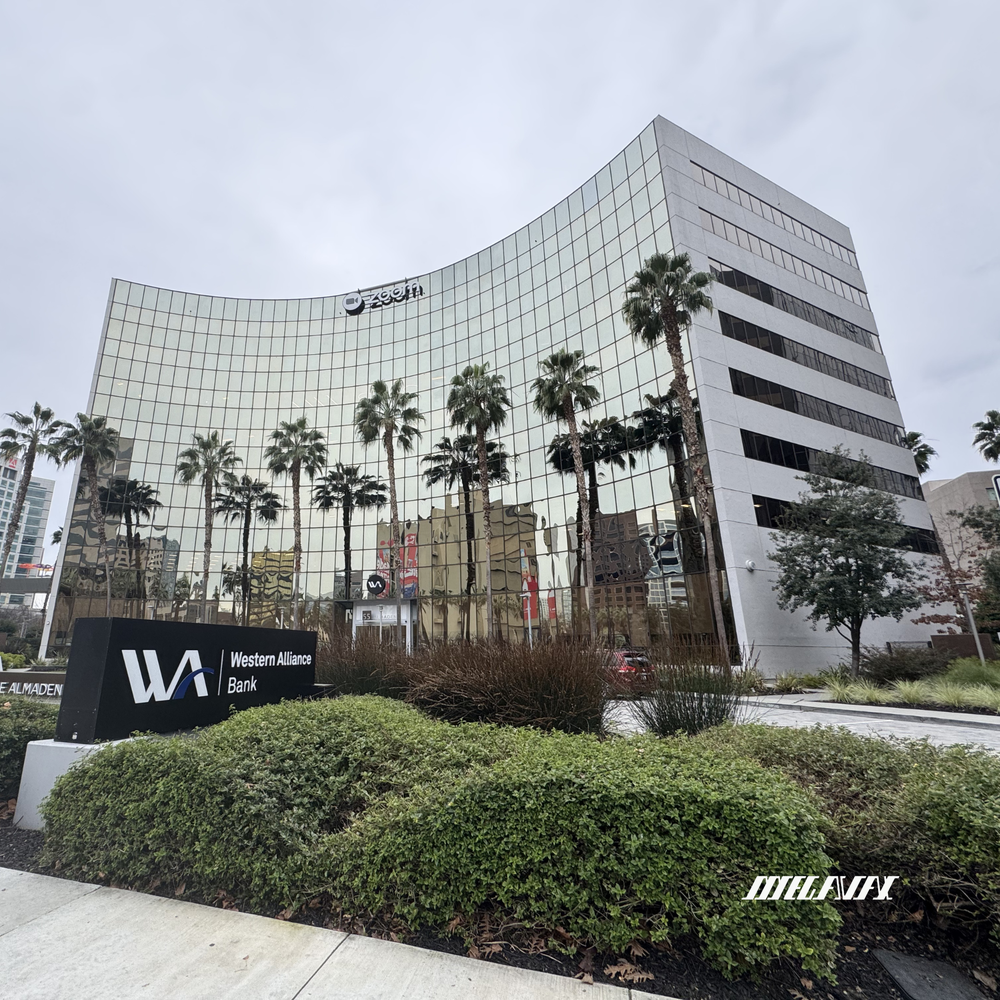
Zoom’s headquarters is a large glass building set within a wide campus-like area, catching the light in a way that almost reads as golden from certain angles.
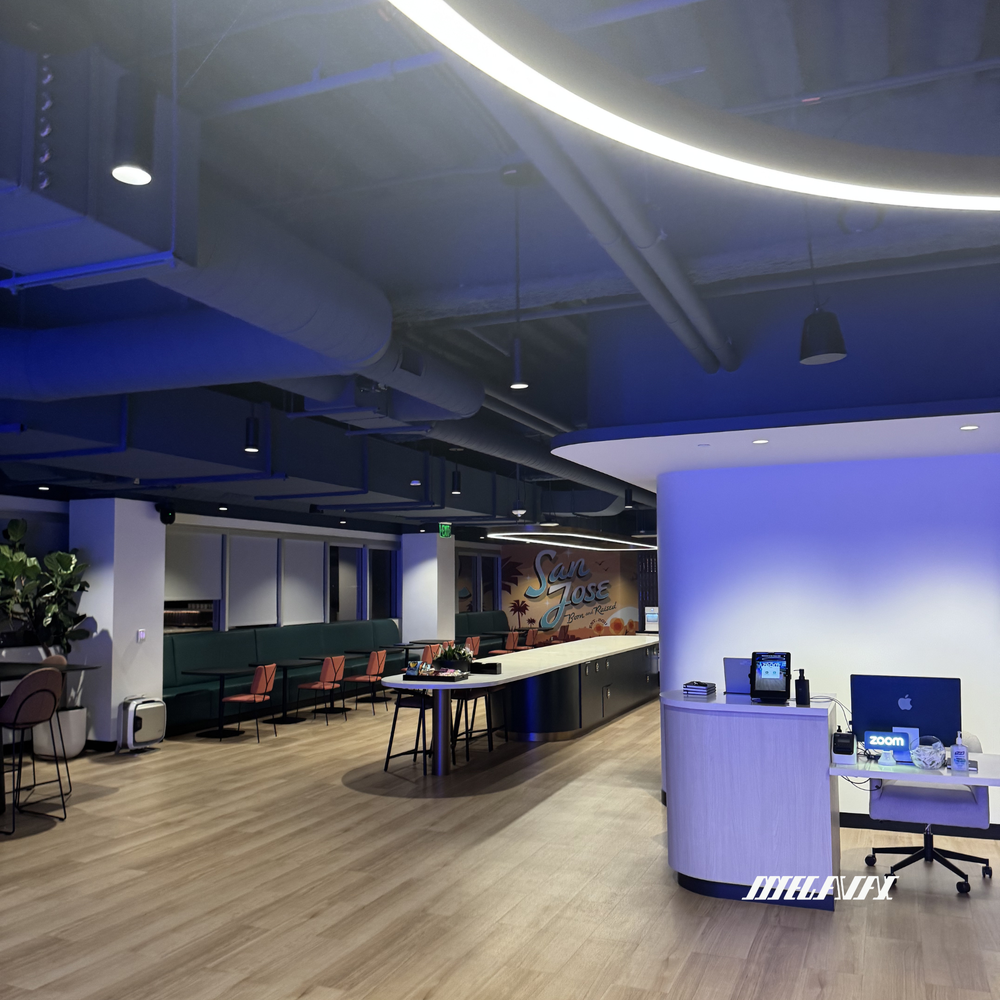
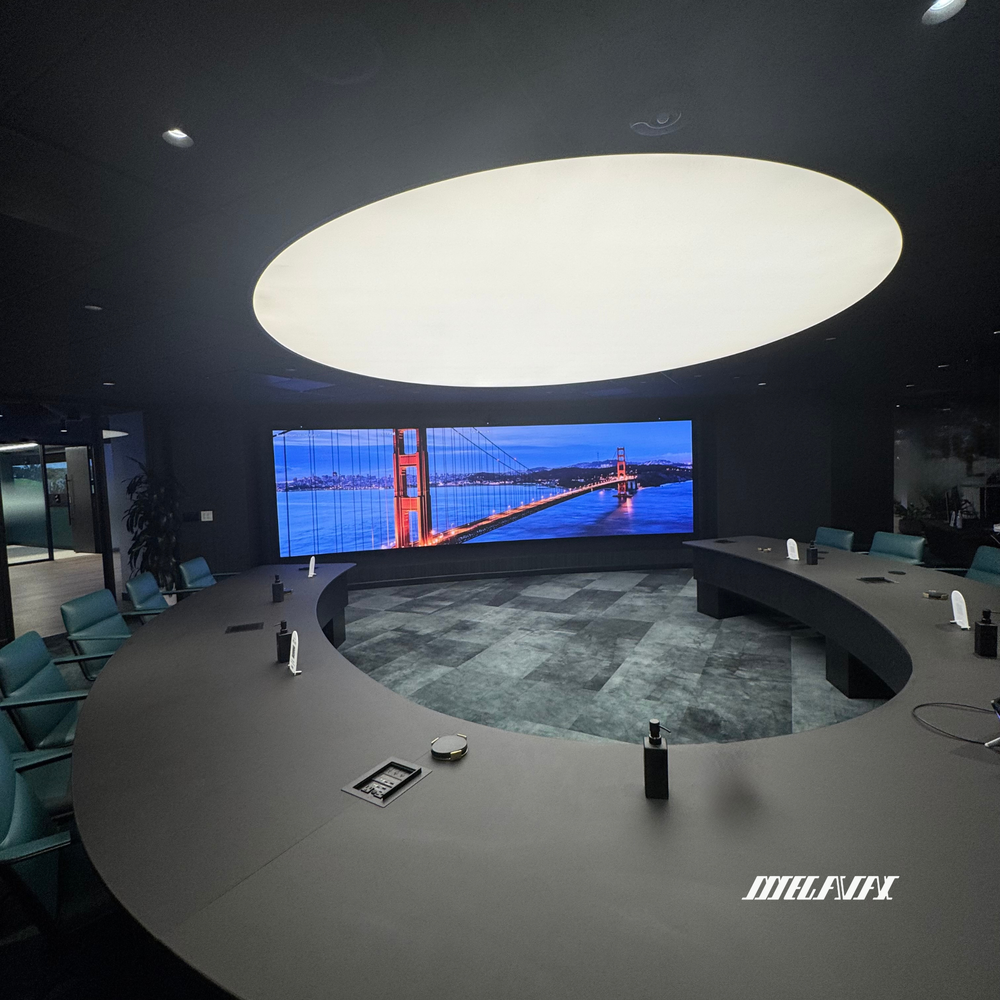
More important than the scale, however, was the way the visit was structured. We were guided not into a typical meeting room, but into an environment where hands-on demos happen, devices can be experienced directly, and employees naturally gather and interact. With large screens and clear visual cues, the space itself is arranged so that visitors absorb information in an intuitive sequence.
Before a single feature was introduced, it was already clear that the “path to understanding” had been deliberately built into the place.
Zoom Phone: positioning “calls” as a company asset
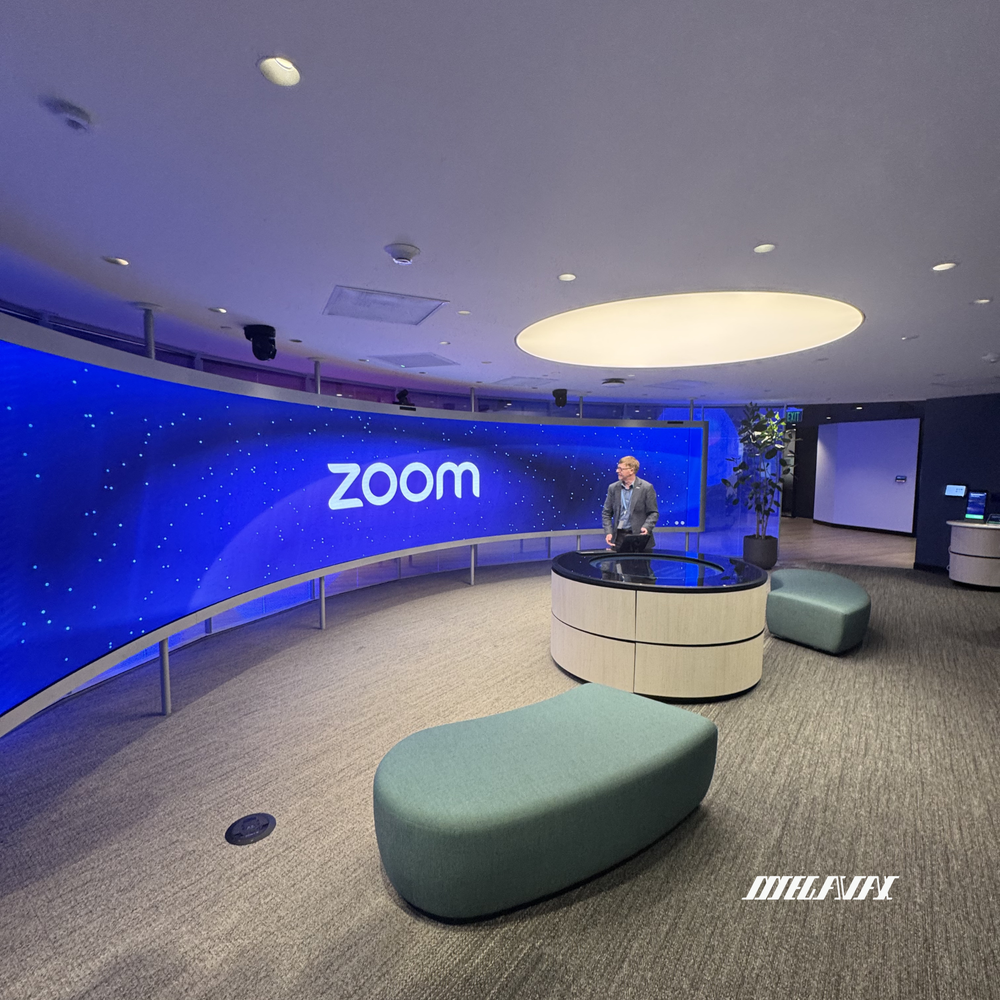
In the company presentation area, the focus centered on Zoom Phone and ZRA.
Zoom Phone was framed not simply as a calling tool, but as a way to turn phone communication into a company asset.
At MEGAVAX, phone interactions are a critical customer touchpoint—but they also tend to create recurring operational challenges: work becoming person-dependent, burden concentrating on specific staff, and valuable improvement signals staying hidden inside conversations.
Against that reality, Zoom Phone was explained as something that functions on two fronts: it can protect employees through clearer operational structure, while also serving as an entry point to unlock and leverage data that would otherwise remain opaque.
We also discussed how the ability to operate consistently—regardless of location or working environment—can directly support more efficient hiring and onboarding.
For more context on why MEGAVAX adopted Zoom and what we aimed to achieve operationally, we previously summarized our thinking in an earlier article from Zoom’s Tokyo HQ visit. Reading it alongside this report makes the continuity of our approach clearer.
https://megavax-jp.com/news/8048
ZRA: a mindset for turning conversation into value
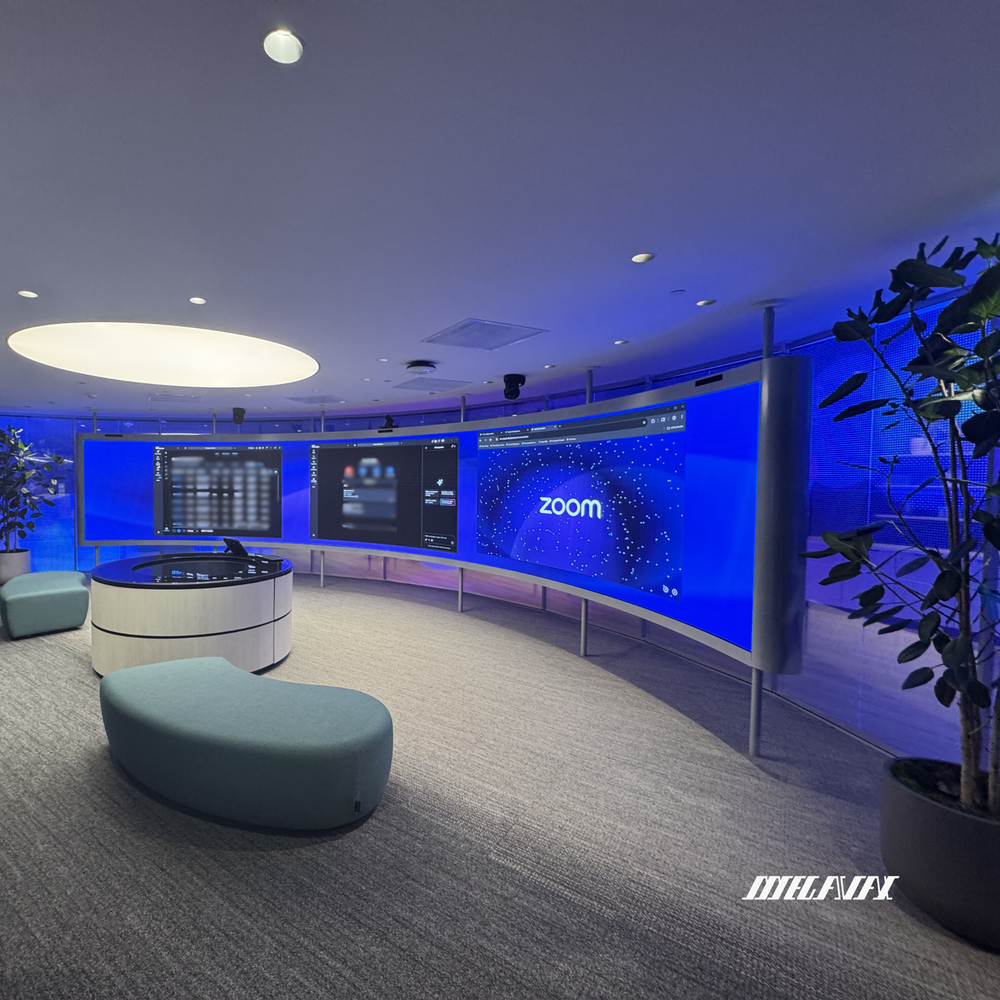
ZRA was not introduced as “AI functionality” in isolation. The discussion was framed around how to use conversation data to surface market signals and improvement opportunities, and ultimately strengthen business performance.
From there, the conversation naturally expanded into topics such as call automation and simultaneous interpretation—leading to a broader discussion about how communication itself can be redefined.
What remained most useful wasn’t a catalog of features, but a practical way to think about how conversation data becomes business value.
The Stanford story and what it suggests about proximity and continuity
During the visit, a Zoom team member shared that a contract with Stanford University is sometimes spoken of as a symbolic milestone in Zoom’s journey, and that relationships at the faculty level have continued over time.
What stood out was not the name itself, but how casually the topic appeared in conversation—without being positioned as “breaking news.”
It conveyed a Silicon Valley characteristic we could feel throughout the trip: a kind of closeness where towns, universities, companies, and people move within the same ecosystem—and relationships continue naturally.
“Campus” as a lived environment, not just a workplace
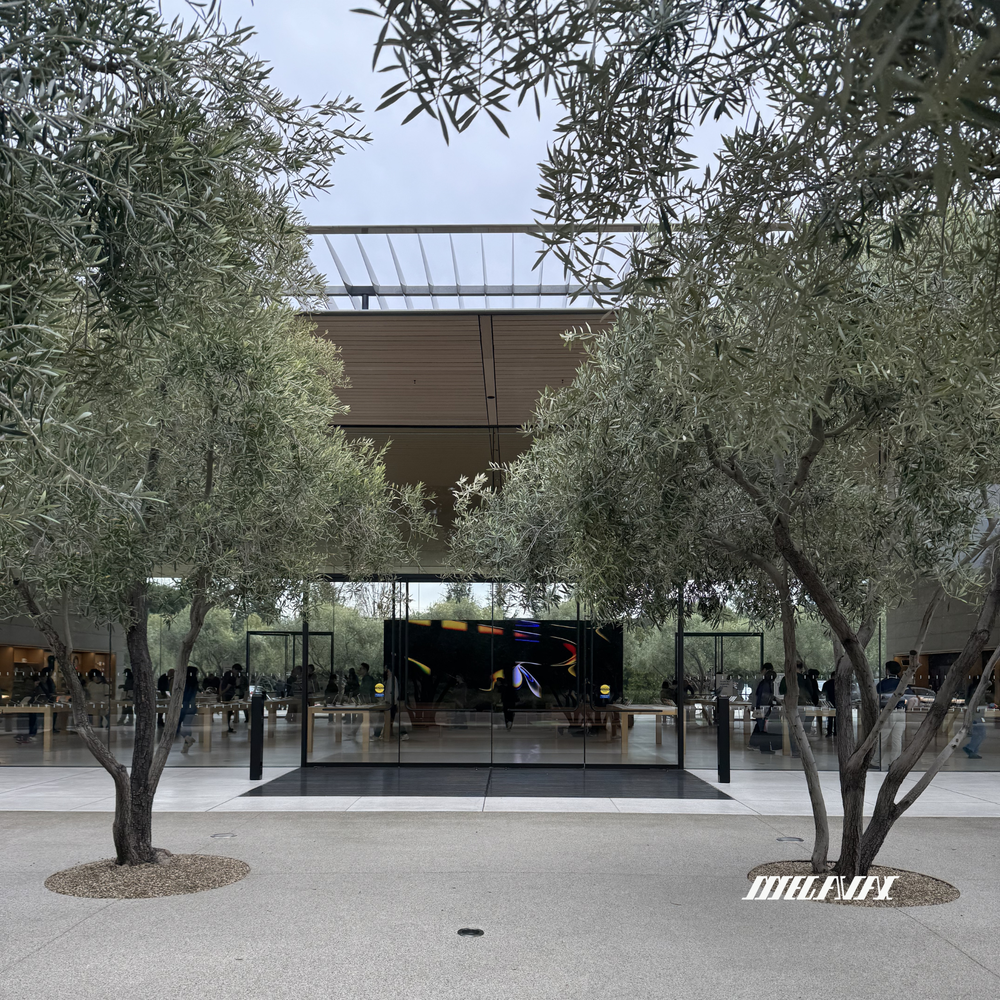
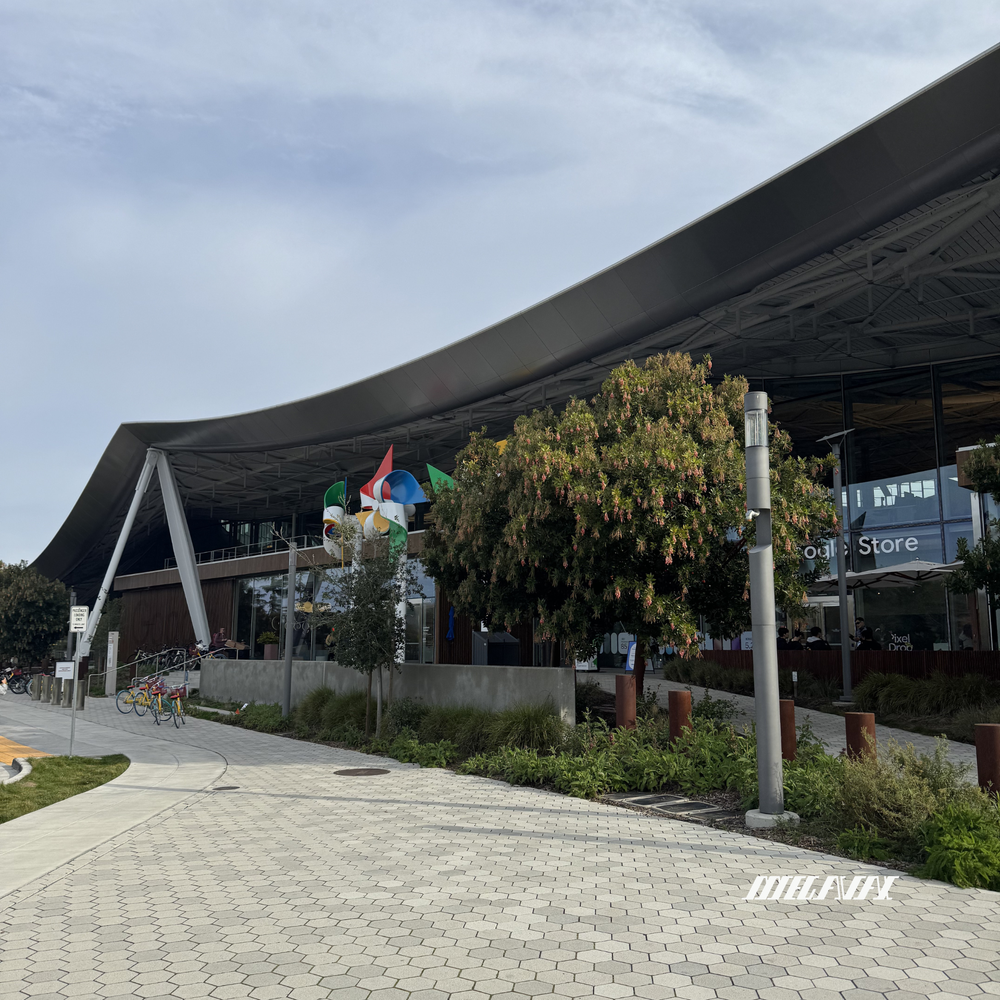
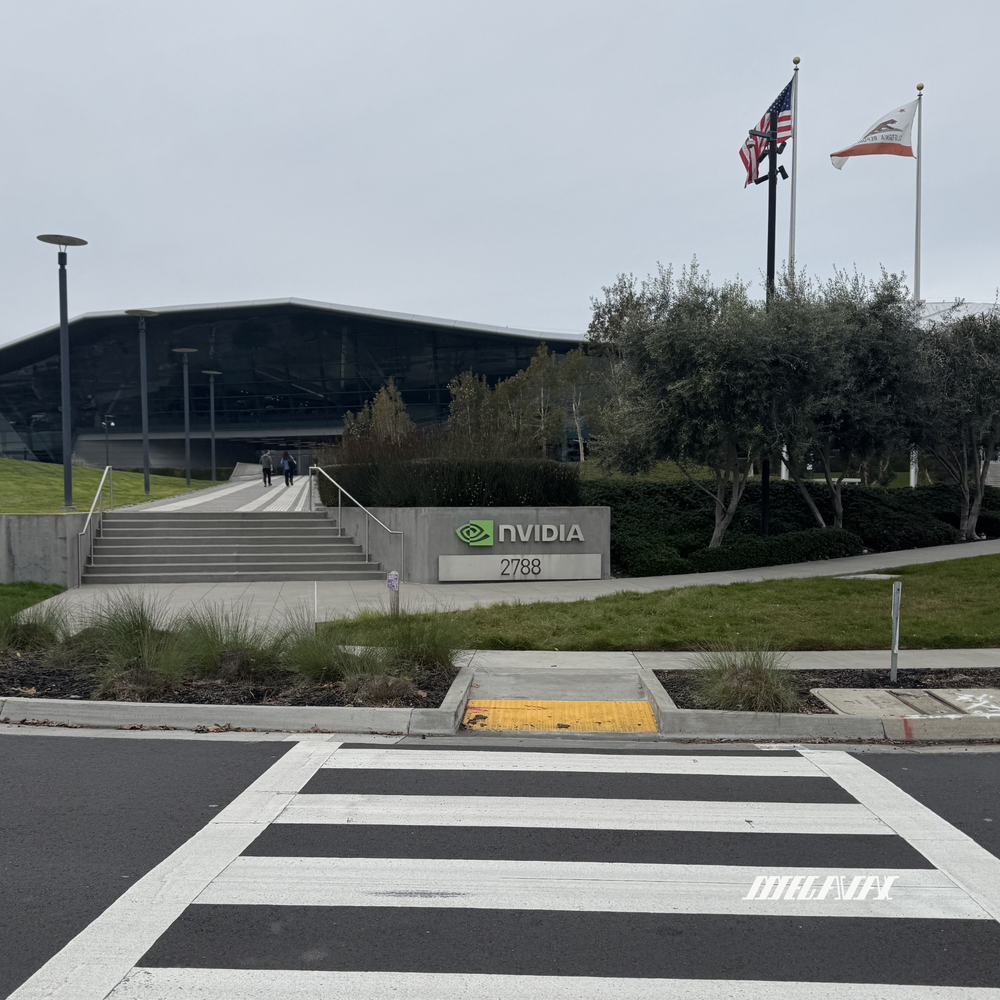
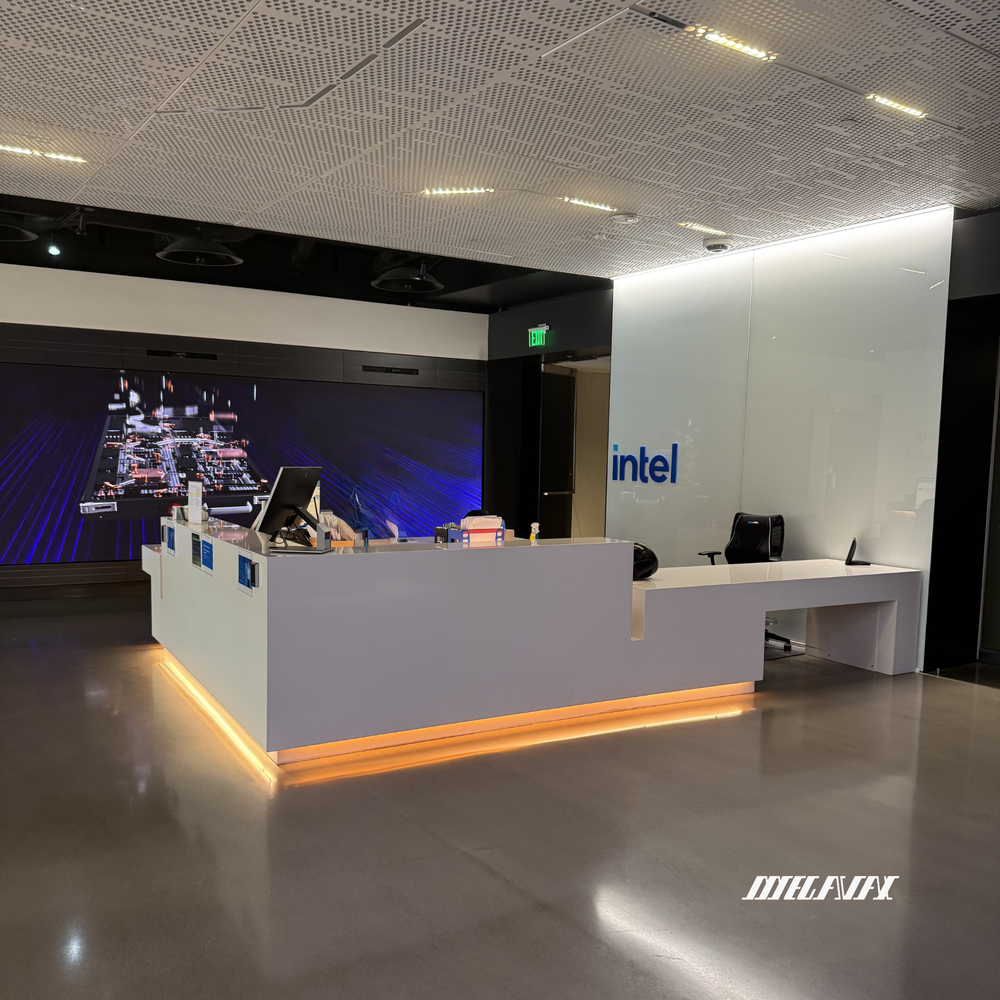
We also visited Google, Apple, NVIDIA, and Intel. Locally, these sites are commonly described as “campuses.”
In practice, that word fits: it’s not just a building. It’s an environment where facilities, movement, and even daily-life flow appear designed as part of the organization’s world. The corporate identity feels embedded not only in signage, but in how the place functions as a small town.
Seen through that lens, what we experienced at Zoom—designing a visitor’s understanding through sequence and space—felt connected to the same “campus” logic.
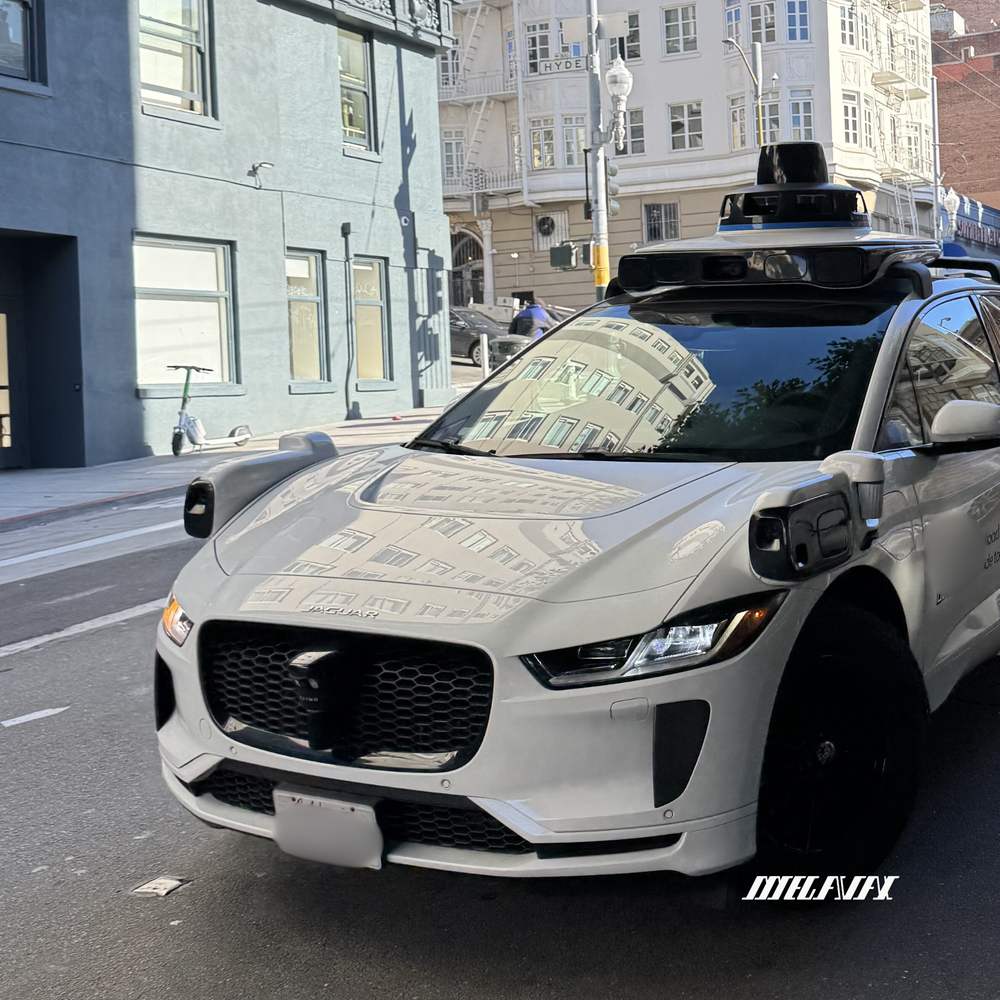
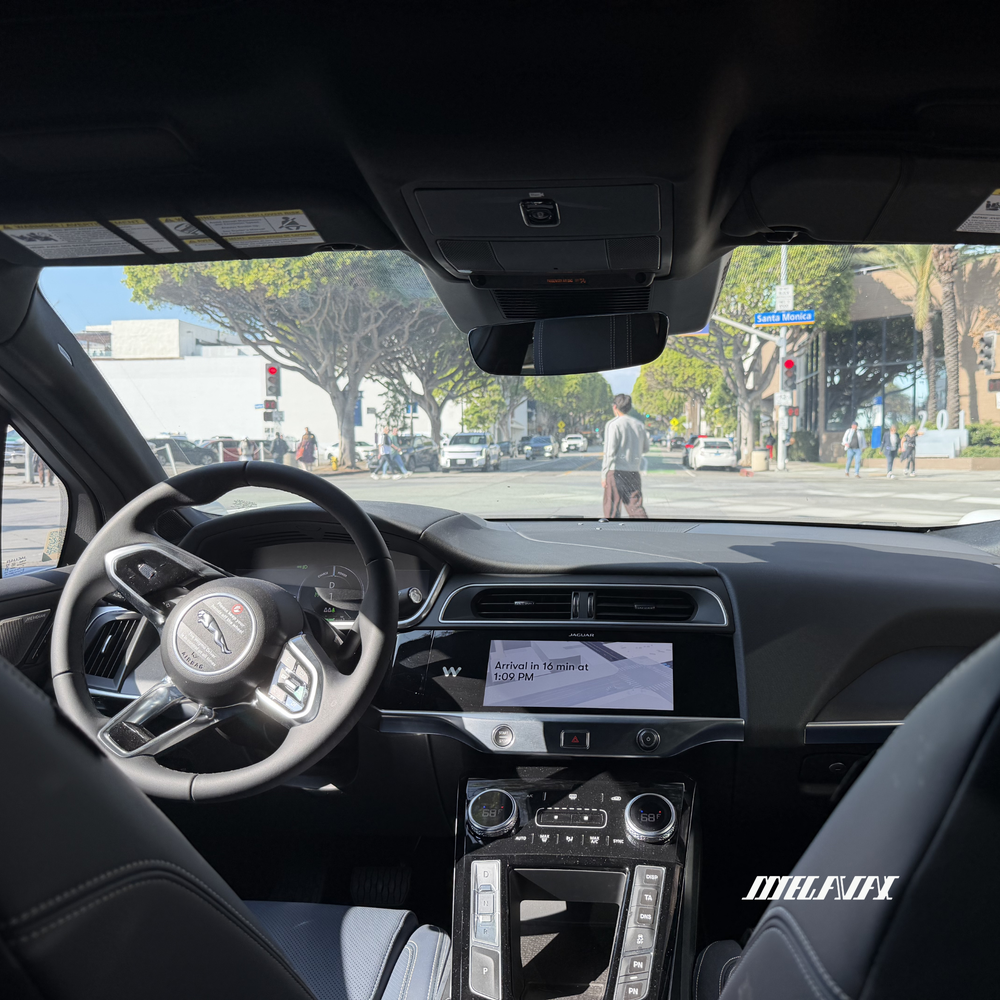
For transportation between sites, we used rideshare—and also experienced Waymo autonomous driving. What was striking wasn’t the novelty of the technology, but the pace at which it has been integrated into ordinary mobility. There is a clear difference in how quickly implementation becomes everyday reality.
TOTO in Los Angeles: memorable placement and the growing presence of Washlet
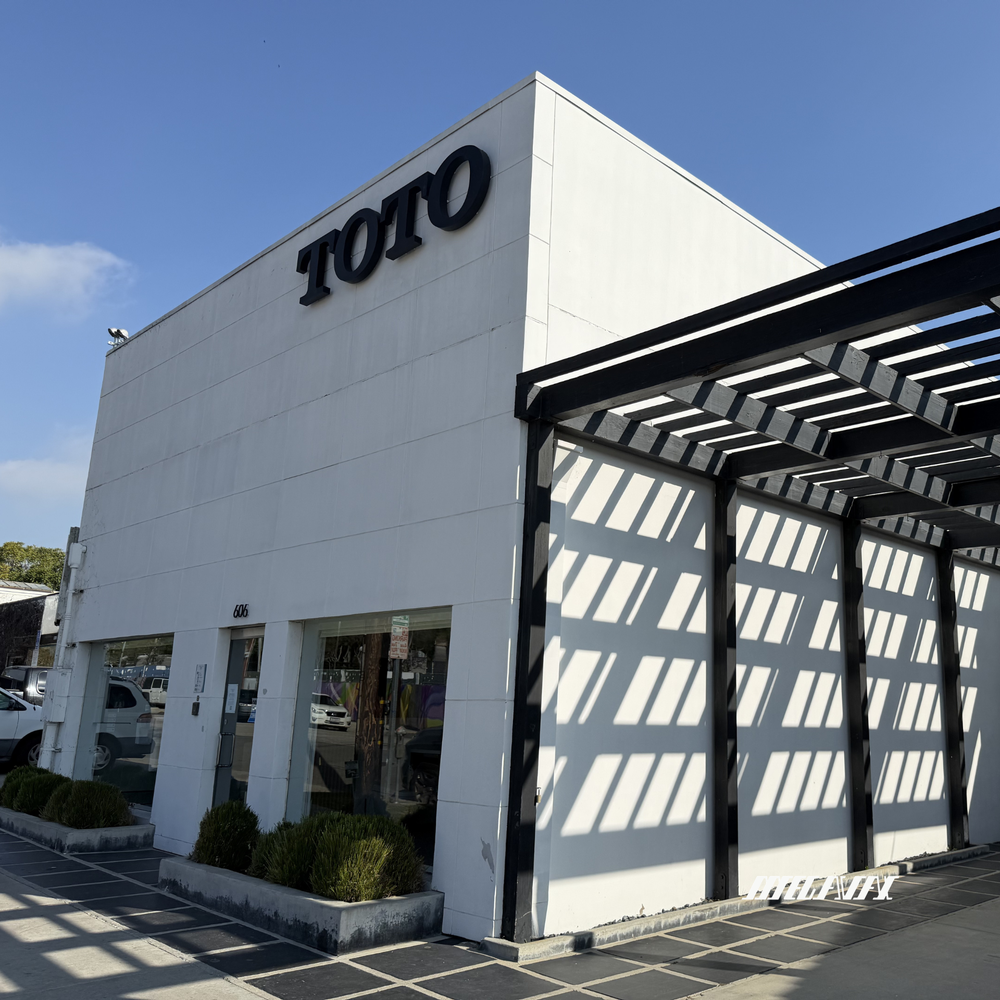
In Los Angeles, we visited a TOTO showroom.
A showroom staff member explained that TOTO products are not only showcased in showrooms, but are also intentionally installed in places people remember—such as corporate facilities, airports, and museums. During our stay, we did in fact encounter TOTO toilets in multiple locations.
The logic is straightforward: the more strongly a “use experience” remains in memory, the more a brand becomes anchored. TOTO’s approach, as described, is to increase these memorable touchpoints strategically.
We also asked about customers, and were told that many visitors book sessions and come from the Beverly Hills area—suggesting that in premium markets, purchasing is driven through experience.
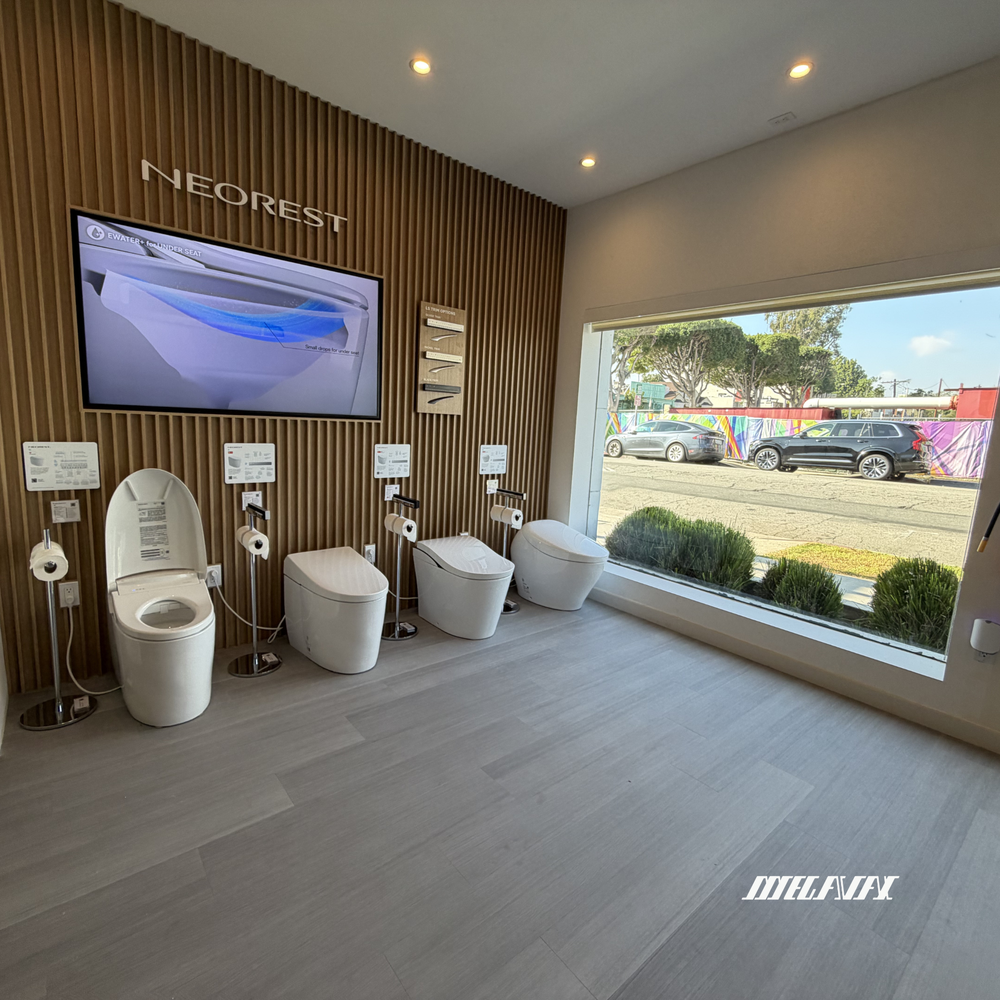
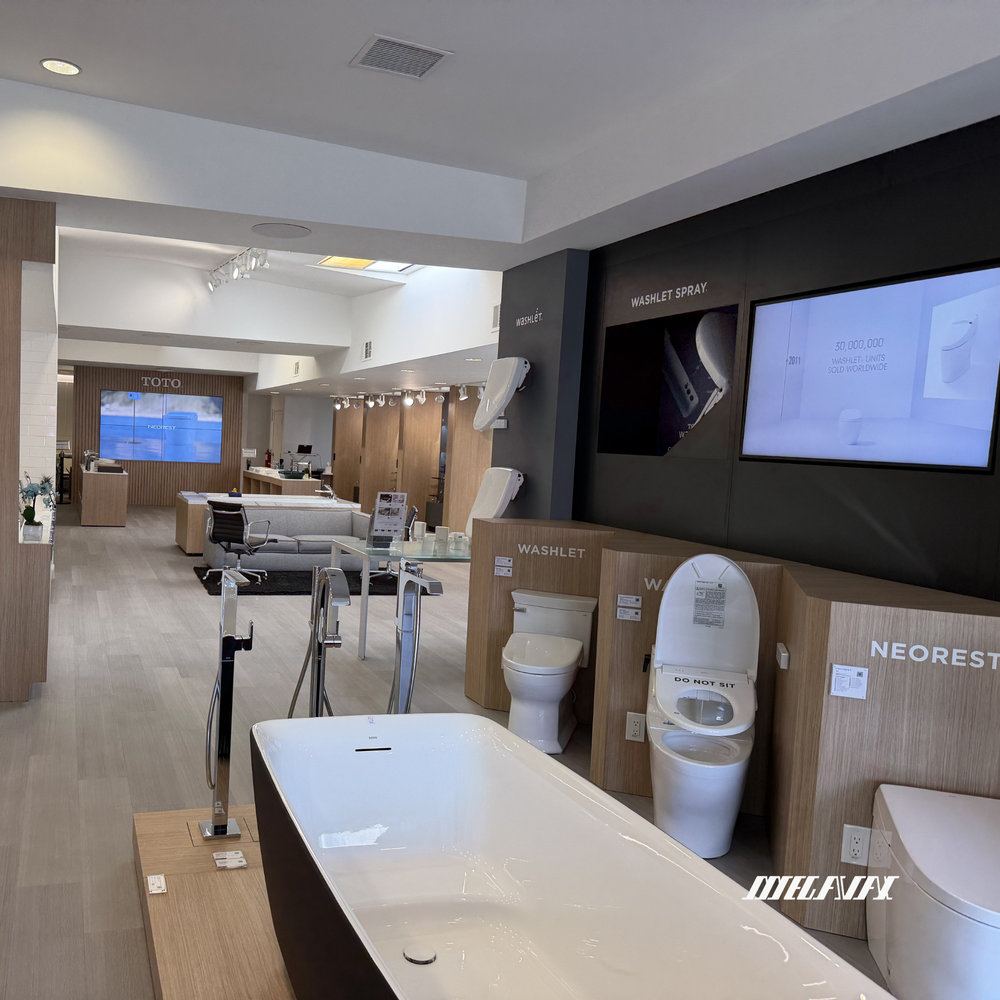
We also heard that Washlet adoption has been growing in the U.S. What is a standard experience in Japan is still received as fresh value in the U.S., and the placement strategy described above appears aligned with building awareness and adoption.
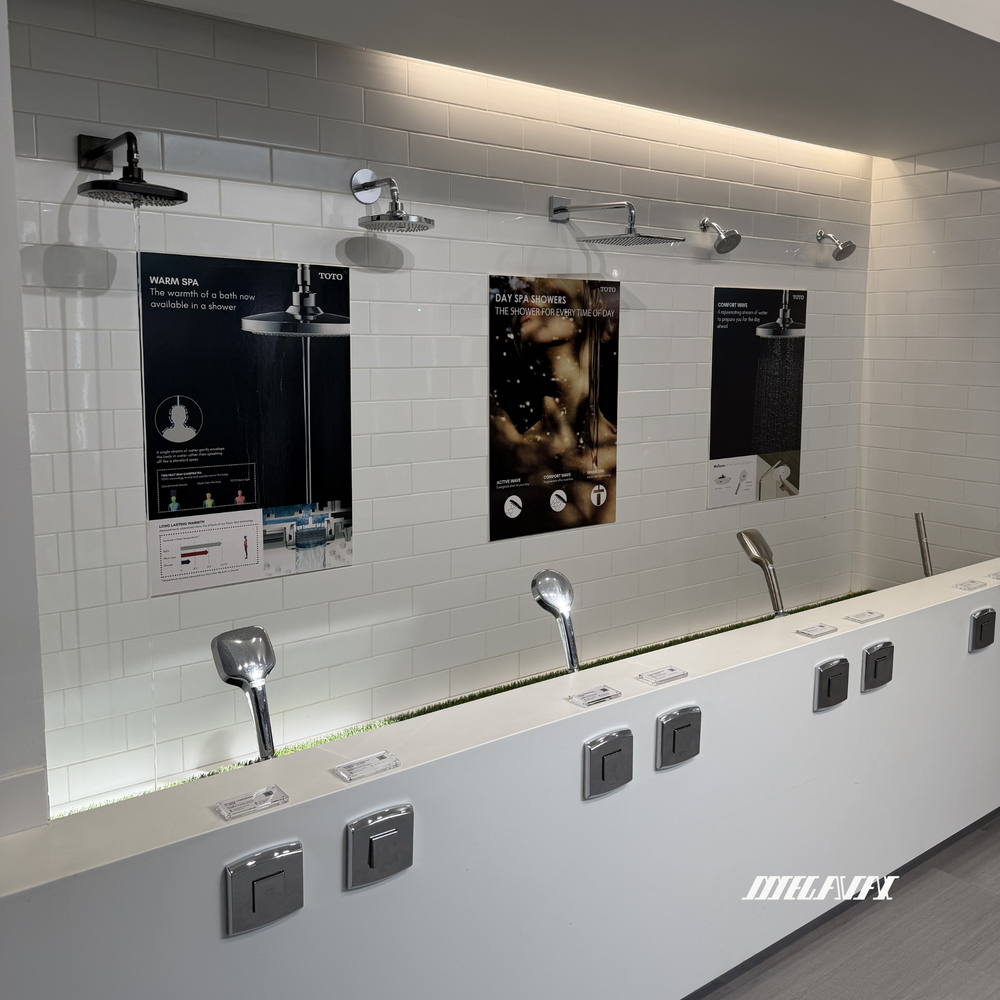
Inside the showroom, there were hands-on experiences such as showerhead demonstrations, and the U.S.-market catalogs and PR materials were notably refined. The materials felt designed to reach people with different backgrounds—an approach that offered a useful contrast to typical Japanese communication styles.
Conclusion: how value reaches people is shaped by experience and continuity
At Zoom’s headquarters, we felt first-hand that understanding is designed into the space before explanations begin. In Silicon Valley, we sensed an ecosystem where relationships continue naturally because proximity makes continuity easier. In Los Angeles, we saw how TOTO builds brand recognition by increasing memorable touchpoints and shaping the experience that stays with people.
This visit reinforced a simple idea: value is not determined only by what it is, but also by how people experience it and how relationships are sustained over time.